
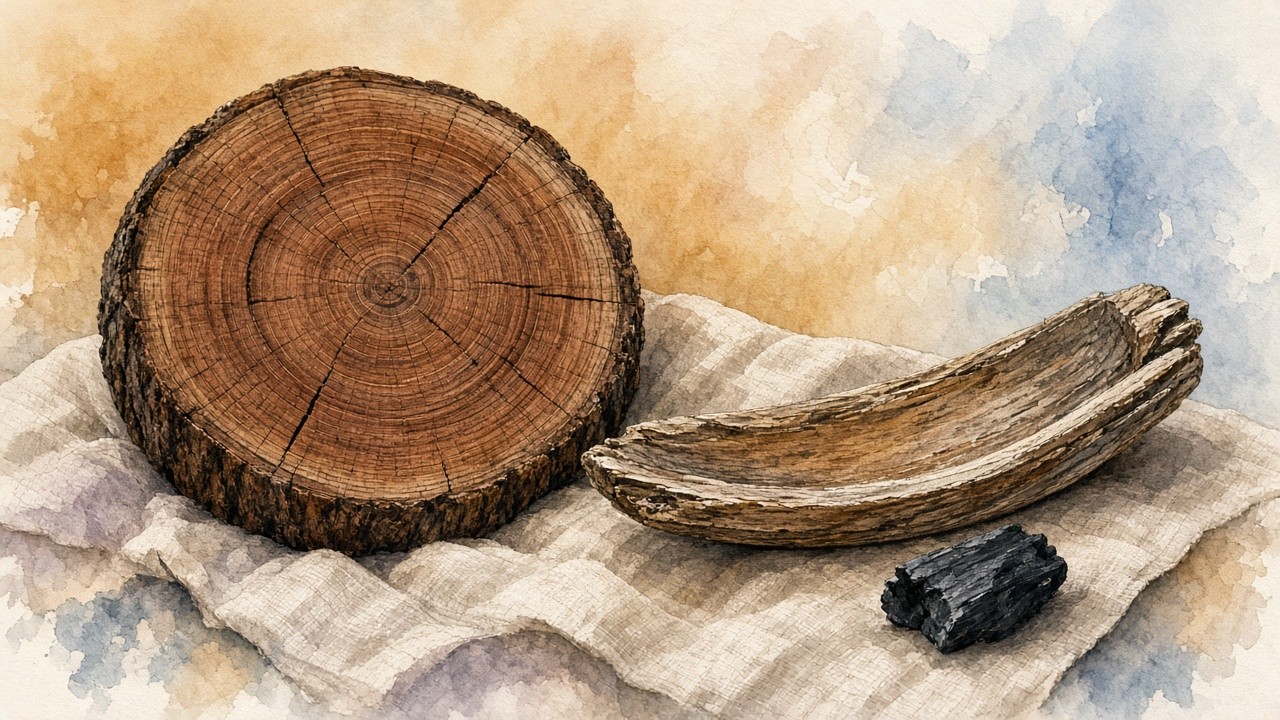
Every living thing on Earth carries a faint radioactive signature, a tiny share of its carbon that is slowly ticking away. While a tree or an animal is alive, that share stays topped up. The moment it dies, the clock starts. Measure how much is left, and you can tell roughly when it died, whether it’s a bone, a scrap of linen or a plank from a pharaoh’s boat. So how does carbon dating work? It rests on a chain […]
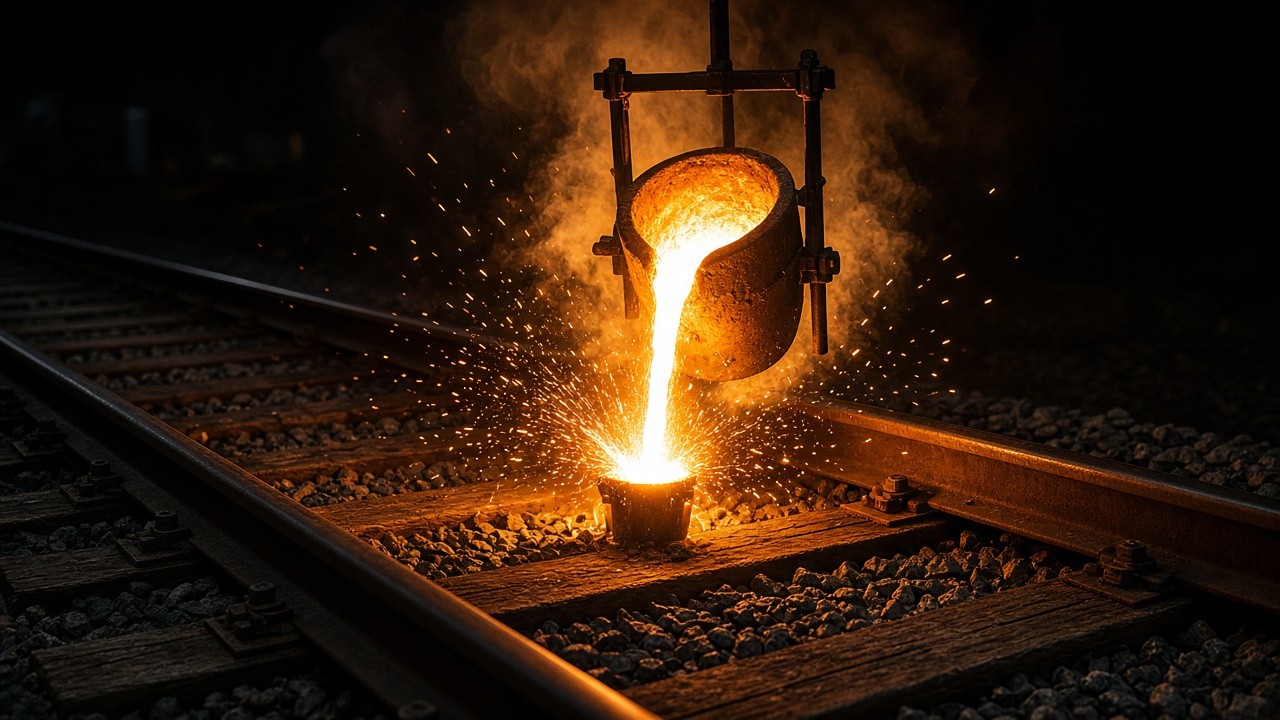
Every so often, rail workers do something that looks like a magic trick. They clamp a small crucible over the gap between two rails, light it, and a few moments later white-hot liquid iron pours down and fuses the rails into one piece. No electricity, no furnace. The heat comes from a chemical reaction between aluminum and iron oxide, which is essentially rust. That’s the thermite reaction, and it’s one of the most violently exothermic reactions in ordinary chemistry. It […]
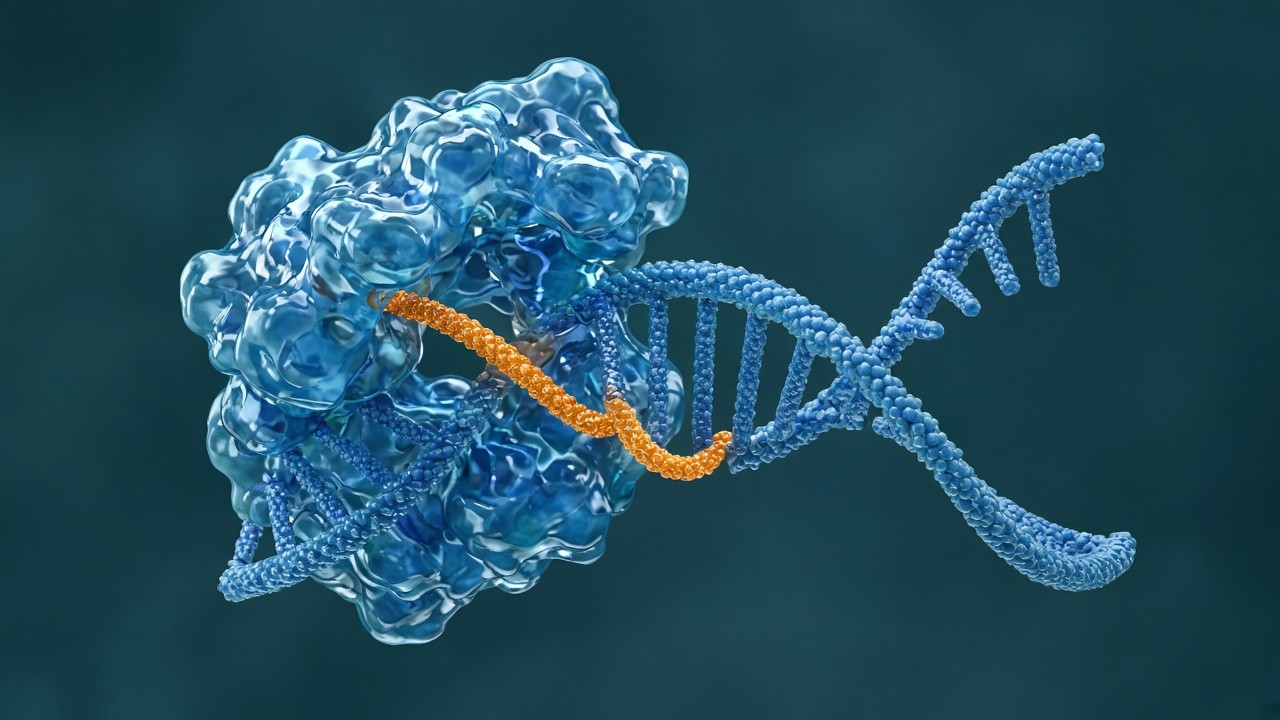
Bacteria have been fighting viruses for billions of years, and some of them keep a record of every attack. They clip a short piece of the invader’s DNA and file it in their own genome, so the next time that virus shows up, they recognize it and cut it apart. Scientists turned that ancient defense into a gene-editing tool cheap and precise enough to change biology labs everywhere. So how does CRISPR work? It comes down to a cutting protein, […]
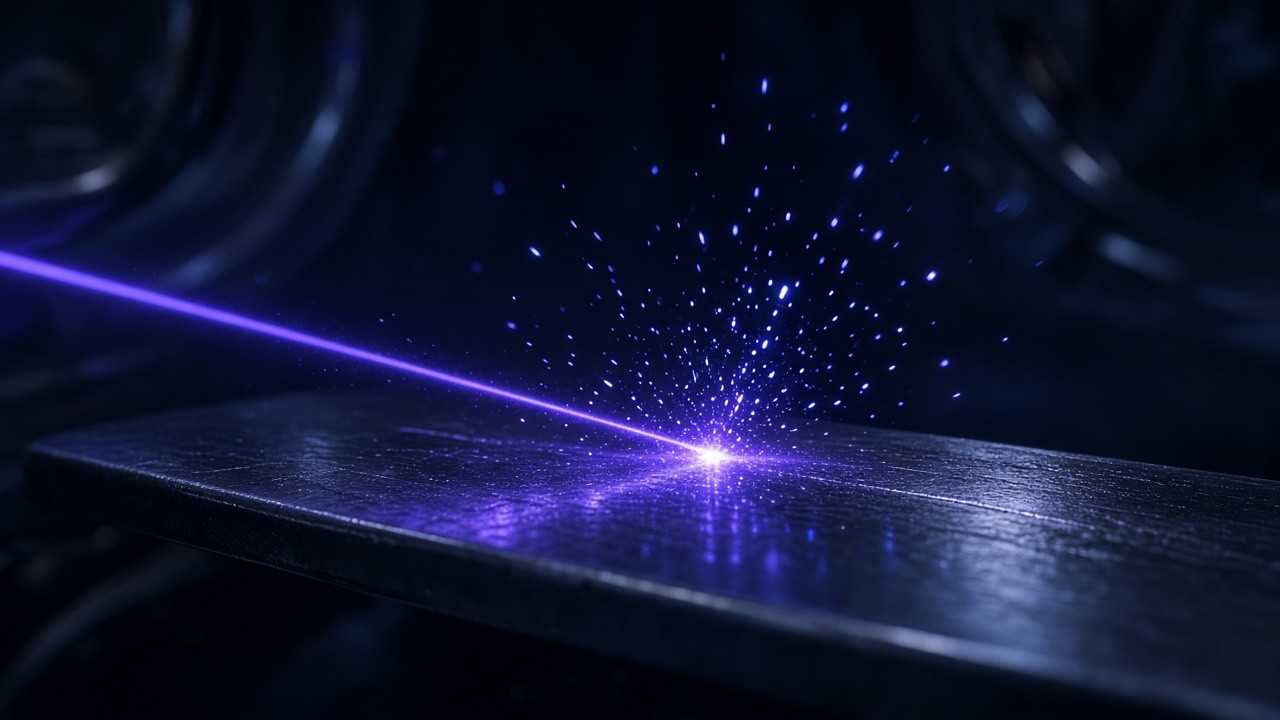
Shine a dim violet light on a clean piece of a metal such as sodium or calcium and electrons fly off it at once. Shine a blinding red light on the same metal and nothing happens, however long you wait. That small puzzle is the photoelectric effect, and working out why it behaves this way pushed physics toward the idea that light comes in packets. It also won Albert Einstein his Nobel Prize, which went to him not for relativity […]
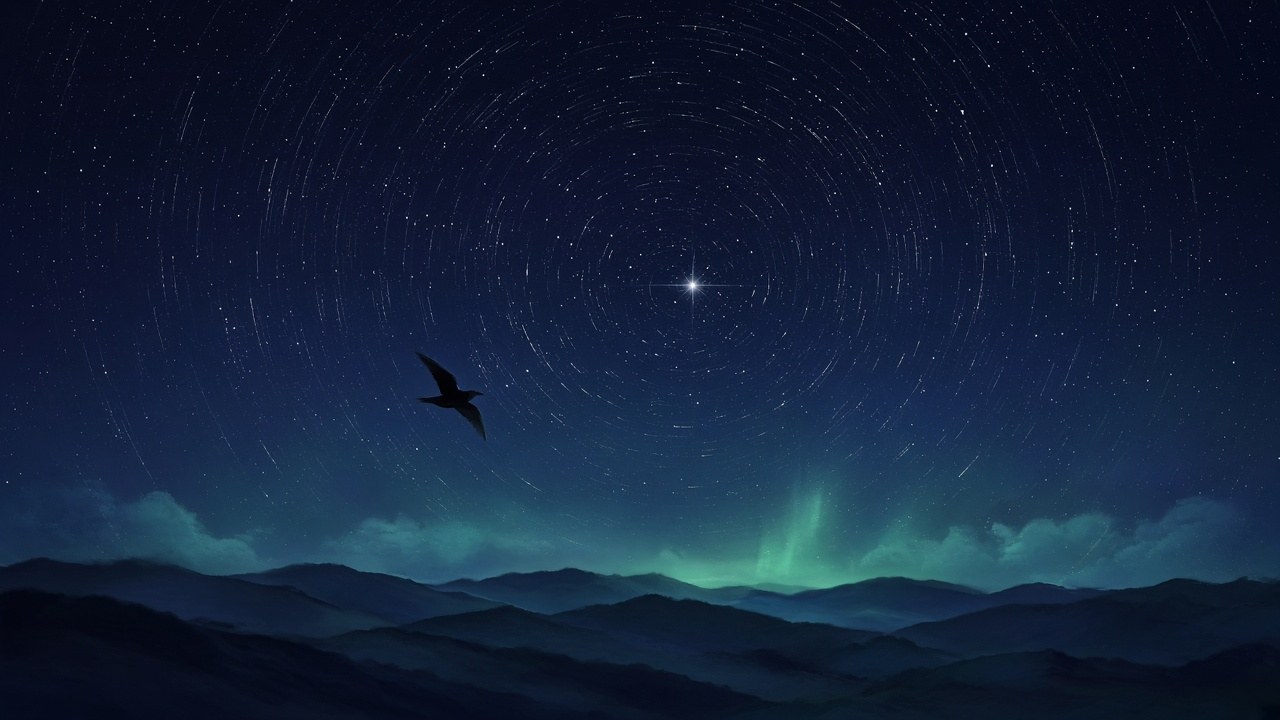
Right now, on autumn nights, millions of small songbirds are flying south in the dark. Most of them fly alone, and many of the young ones are making the trip for the first time, with no parent to follow and no idea what their destination looks like. Yet they head in the right direction. How do birds navigate like that? Biologists now know that birds carry several compasses: one that reads the sun, one that reads the stars, and one […]
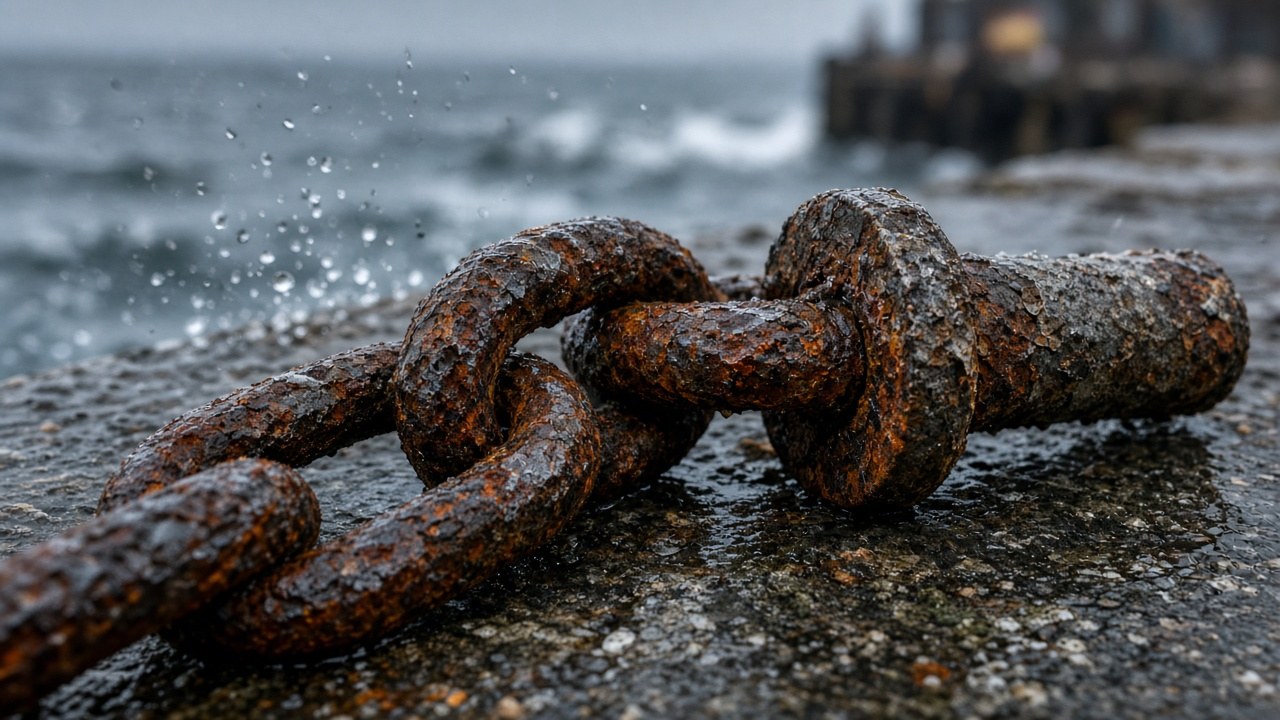
Leave an iron nail in a tube of water and within a few days it grows an orange crust. Leave an identical nail in a sealed tube of dry air and it stays bright. Leave one in salt water and it rusts fastest of all. That simple classroom experiment holds most of the answer to how does rust form. Iron needs both water and oxygen, and anything that helps electric charge move through the water speeds it up. Rust isn’t […]